Tube and profile laser cutting
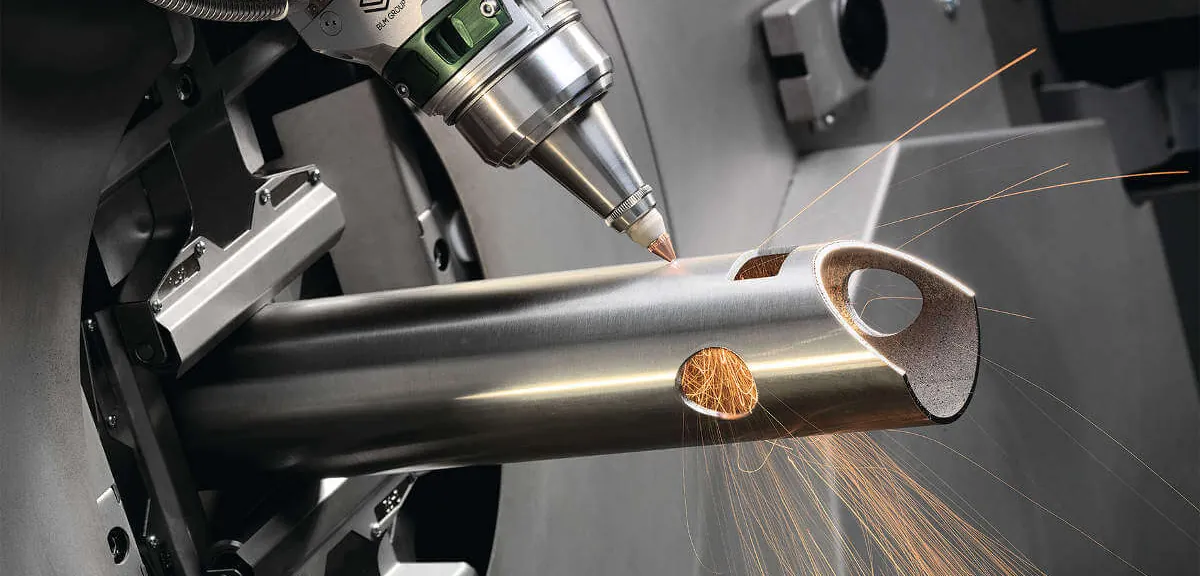
Tube and profile cutting – laser with a rotary attachment
At LaseremCiecie.pl we offer advanced tube and profile laser cutting services, tailored to a wide range of industrial and structural needs. The laser technology we use allows precise cutting of complex shapes and intricate patterns, which makes our services an ideal solution for the construction, automotive and furniture industries, and many others.
Our advanced lasers with a rotary attachment can cut profiles with cross-sections from 15 mm to 150 mm and tubes with diameters from 15 mm to 200 mm. We can also process I-beams, T-sections, angles and channels up to 6000 mm long, made of stainless steel, mild steel or aluminium.
Technical capabilities – tubes and profiles
Round tubes
Diameter 15–200 mm
Profiles
Cross-section 15–150 mm
Length
Up to 6000 mm
Precision
0.1 mm
Precision and edge finish
One of the main advantages of tube and profile laser cutting is the ability to achieve extremely precise, clean edges that need no further finishing. Laser technology allows materials to be cut to an accuracy of 0.1 mm, which is crucial in projects where not only functionality but also the final appearance of the parts matters.
The contactless nature of laser cutting ensures that the surfaces of tubes and profiles remain undamaged and the edges are free of burrs, unevenness and other defects that can occur with traditional cutting methods. This is why our services are often chosen by customers who value the highest quality and finish.
Laser cutting of tubes and profiles is extremely versatile – it can be used on a range of materials: stainless steel, mild steel and aluminium. Our advanced machines with a rotary attachment allow precise cutting of materials of various thicknesses and shapes.
Applications across industries
Our tube and profile laser cutting services are widely used in many industries. In construction, laser cutting of tubes and profiles allows fast and precise preparation of structural elements such as beams, columns and frames. In the automotive industry, this technology makes it possible to produce precise parts that must meet strict quality standards.
Laser cutting of tubes and profiles is not only precise but also highly cost-effective. The technology makes maximum use of the material with minimal losses, which translates into lower production costs and reduced consumption of raw materials.
Our services are used in the construction, automotive and furniture industries, as well as in architectural and engineering projects. Laser cutting is an ideal solution for companies that need bespoke structural or decorative elements.
What else we can do with your part
Sheet metal laser cutting
We cut flat parts joined to profiles – flanges, mounting plates, brackets – from sheets up to 3000 × 1500 mm.
Powder coating
We protect profile structures used outdoors with a powder coating that is resistant to corrosion and UV radiation.
Gallery of our work
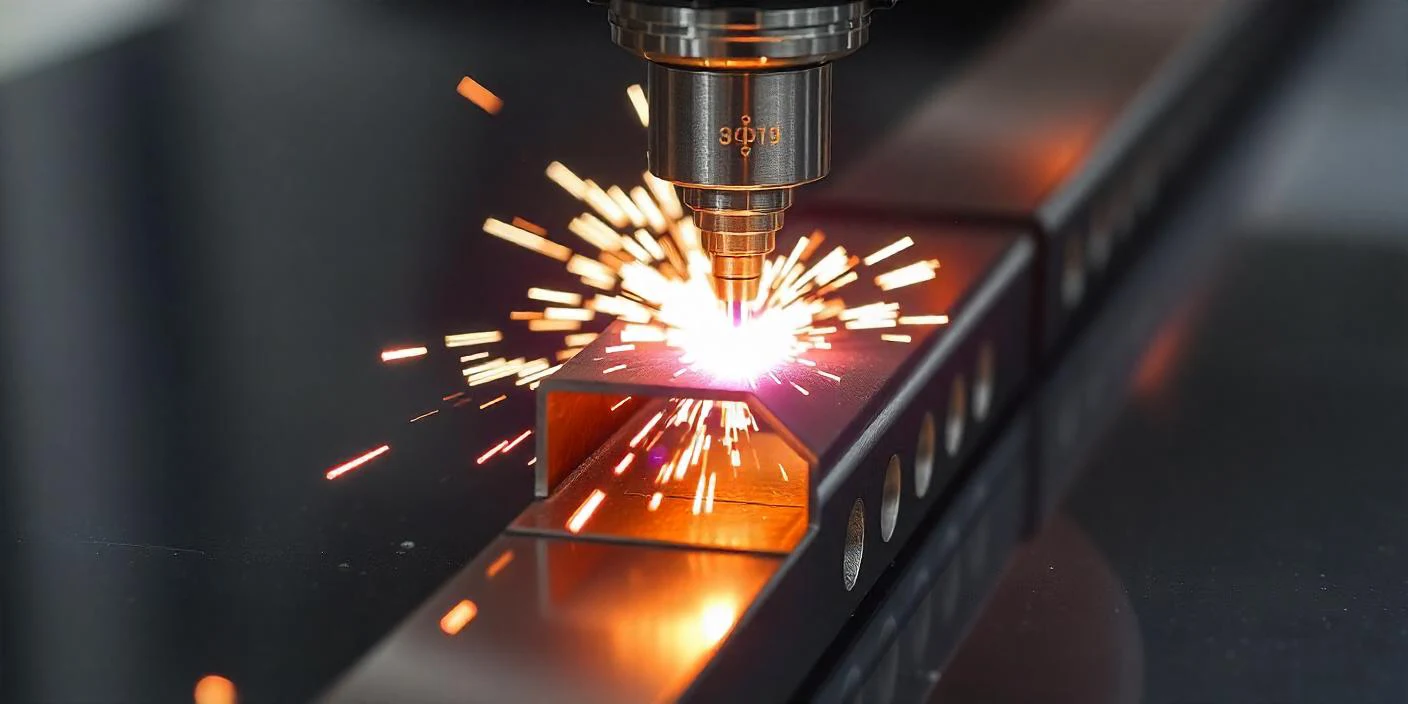
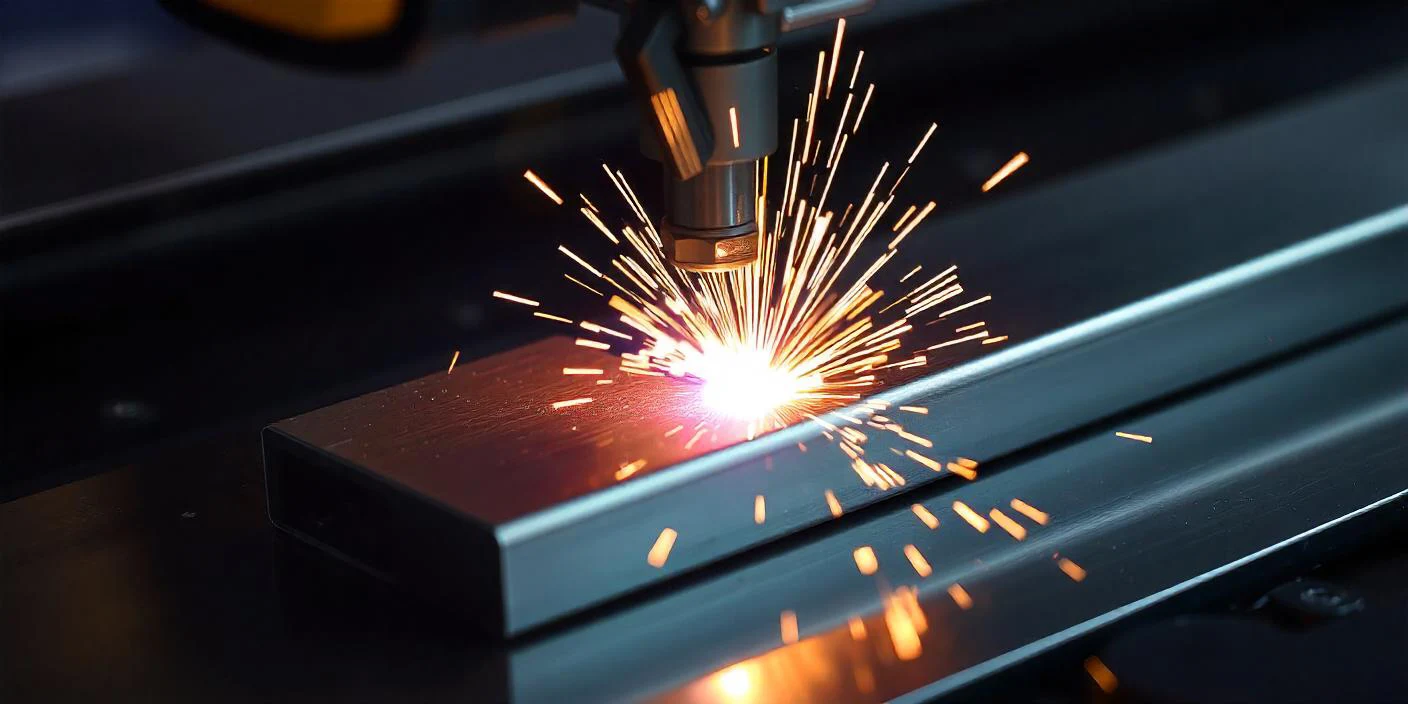
Profiles with rows of holes, ventilation slots and ends cut at an angle – examples from current production.
We explain how the technology works and its limitations on our laser cutting page, and we have listed all parameters on our services page.
Questions and answers – tube and profile cutting
We can process tubes with diameters from 15 mm to 200 mm and profiles with cross-sections from 15 mm to 150 mm. We can also cut I-beams, T-sections, angles and channels up to 6000 mm long. These technical capabilities allow us to handle orders with a wide variety of shapes and sizes.
We offer cutting of stainless steel, mild steel and aluminium. All materials can be cut with a precision of up to 0.1 mm, giving smooth edges with no need for further finishing.
Yes, laser cutting of tubes and profiles is a very cost-effective solution, especially for orders that require high precision and fast turnaround. The process makes maximum use of the material, reducing waste and lowering production costs. Laser cutting eliminates the need for further edge finishing.